Introduction
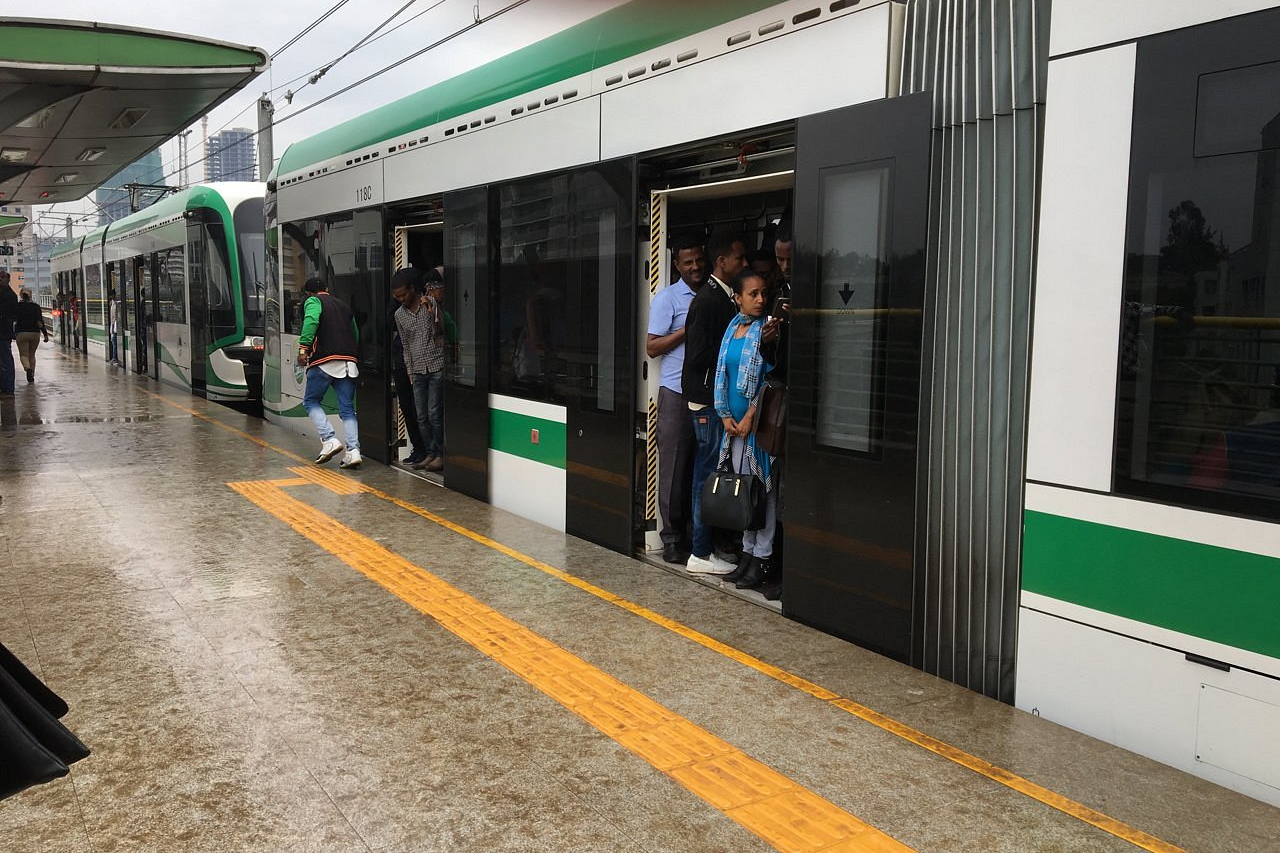
Addis Ababa, Ethiopia's capital, faces major public transport challenges due to its rapid urbanization and growing population. The Addis Ababa Light Rail Transit (AALRT), launched in 2015 as a solution, has not met expectations. It suffers from reduced speed, limited coverage, high congestion, poor reliability, and lacks integration with other city transport systems.
This study explores whether a Bus Rapid Transit (BRT) system could serve as a better or complementary option. The objectives include analyzing the performance of LRT and assessing the feasibility and potential benefits of introducing BRT.
Statement of the Problem
Despite its high investment of $508 million, the LRT system fails to provide adequate capacity or reliability. Operational inefficiencies, infrastructure overloading, inconsistent frequency, overcrowding, and reduced speed have led to public dissatisfaction. The system has not eased congestion or environmental degradation as intended. This calls for exploration of alternatives like BRT, which may offer faster, cheaper, and more reliable service.
Objectives and Research Questions
General Objective:
To evaluate the serviceability of the AALRT system and explore the feasibility of BRT as a mass transport alternative for Addis Ababa.
Specific Objectives:
- Assess LRT performance in terms of speed, capacity, reliability, and cost.
- Evaluate public satisfaction and operational challenges.
- Compare BRT and LRT based on serviceability and feasibility.
Research Questions:
- What are the key weaknesses of AALRT?
- How does BRT compare in terms of cost, speed, and reliability?
- What factors affect BRT implementation?
- What are user preferences and satisfaction levels?
Scope and Significance
The study focuses on the East–West corridor from Tor Hailoch to Ayat. It compares LRT and BRT in terms of cost, user satisfaction, operational flexibility, and environmental impact. The findings will inform transportation planners and policymakers on the optimal evidence-based choices for future investment in infrastructure.
Limitations of the Project
The study encountered some limitations:
- Data Availability: Access to current and comprehensive LRT operational data (e.g., daily logs, passenger counts) was limited.
- Time Constraints: The project had a strict timeline, which limited in-depth long-term studies or field validation.